
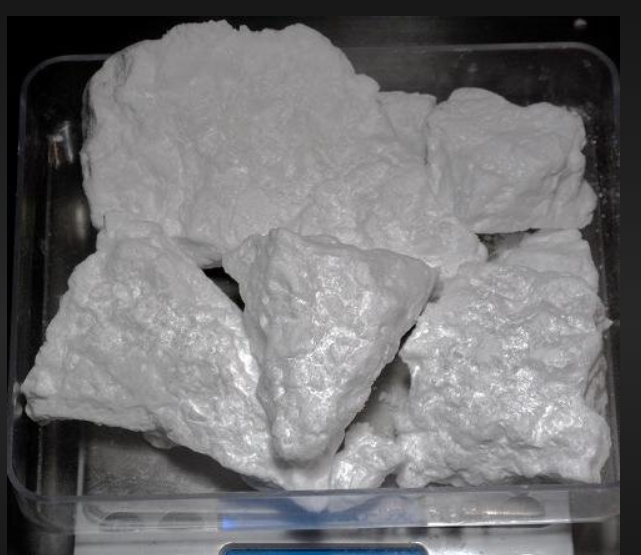
Fish Scale Cocaine http://google.com is a slang term for a highly potent, high‑purity form of cocaine that has a shiny, iridescent, “flake‑like” appearance similar to the scales of a fish. It is typically much purer than standard street cocaine,http://kensingtonunderground.com often reported around 80–90% purity versus roughly 50–60% for regular powder, which means its effects are stronger and more intense even at smaller doses.
This form of cocaine is usually produced from coca leaves in South America and sold as a white, pearly powder that can be snorted, injected, or converted to crack for smoking, just like other cocaine products. Because it is less “cut” with fillers, the drug reaches the brain quickly, causing powerful euphoria, increased energy and confidence, reduced appetite, and heightened alertness, but also rapid heart rate, high blood pressure, anxiety, and nausea.
The very high purity of fish scale cocaine makes it particularly dangerous. People can develop dependence faster, feel strong cravings when the short‑lived high wears off, and are at greater risk of overdose, heart attack, stroke, and severe mental‑health symptoms such as paranoia, hallucinations, depression, and suicidal thoughts. Like all cocaine, fish scale cocaine is illegal, unregulated, and unpredictable, and anyone struggling with its use benefits from professional addiction treatment, harm‑reduction advice, and ongoing support.
Here are essential facts about fish scale cocaine in short, SEO‑friendly paragraphs:
Fish scale cocaine is a slang term for a very high‑purity form of cocaine, often reported around 80–90% pure compared with roughly 50–60% purity for typical street cocaine. It gets its name from its shiny, pearly, iridescent appearance, which looks like the reflective scales of a fish when the flakes catch the light.
This form of cocaine is usually derived from coca plants grown in South America and processed into cocaine hydrochloride, then sold as a white, glistening powder or flaky chunks. Like other types of cocaine, fish scale can be snorted, rubbed on the gums, injected, or smoked after conversion, and it acts as a powerful stimulant on the central nervous system.
Because fish scale cocaine is much purer and more concentrated, its effects—euphoria, increased energy, confidence, and reduced appetite—come on faster and more intensely, but so do risks such as rapid heart rate, high blood pressure, anxiety, paranoia, and hallucinations. This high potency also means a much greater danger of dependence, overdose, heart attack, stroke, and death, especially for people used to weaker street cocaine who take their “usual” dose without realizing the strength.
Fish scale cocaine is illegal, unregulated, and often mixed into complex drug markets, so users can never be fully sure of what they are taking or how strong it is. Anyone struggling with fish scale use or addiction benefits from professional help, starting with medically supervised detox and continuing with structured treatment and long‑term support.
USAGE OF Fish Scale Cocaine .
Fish scale cocaine is a street term for a very high‑purity form of cocaine that looks shiny and iridescent, like the scales of a fish. It usually appears as bright white, flaky crystals or powder and is prized by users for its “clean” look and strong effects.
People use fish scale cocaine in the same ways as regular cocaine: snorting lines, rubbing it on the gums, injecting it after dissolving, or converting it to crack for smoking. Because it is much purer than typical street cocaine, even small amounts can produce an intense, fast‑onset high.
This high purity also makes fish scale cocaine much more dangerous. The risk of overdose, heart attack, stroke, severe anxiety, paranoia, and rapid dependence is higher, especially for people who take their usual dose without realizing how strong this batch is. Any ongoing use is a warning sign that professional help and harm‑reduction support are urgently needed.
EFFECTS OF TO MUCH OVERDOSE Fish Scale Cocaine .
Too much cocaine use, including high‑purity forms like fish scale, can cause severe short‑term and long‑term harm to both body and mind.
In the short term, heavy or repeated use can lead to very high heart rate and blood pressure, chest pain, overheating, tremors, panic, paranoia, aggressive behavior, and dangerous risk‑taking. At high doses, people are at real risk of overdose, which can cause heart attack, stroke, seizures, brain hemorrhage, coma, and death, especially when purity is high or other substances like alcohol or opioids are mixed in.
With ongoing heavy consumption, cocaine can damage the heart and blood vessels, increase the chance of coronary artery disease, and contribute to movement disorders such as Parkinson‑like symptoms. Mental‑health effects include chronic anxiety, depression, insomnia, paranoia, and episodes of cocaine‑induced psychosis with hallucinations and delusions.
Frequent use also harms the body at the route of administration: snorting can destroy nasal tissue and the septum, smoking damages the lungs, and injecting raises the risk of collapsed veins and blood‑borne infections like HIV and hepatitis C. Over time, people often develop strong dependence, cravings, and a cycle of binge–crash use that makes quitting without professional help very hard, so early treatment and support are critical.


Reviews
There are no reviews yet.